
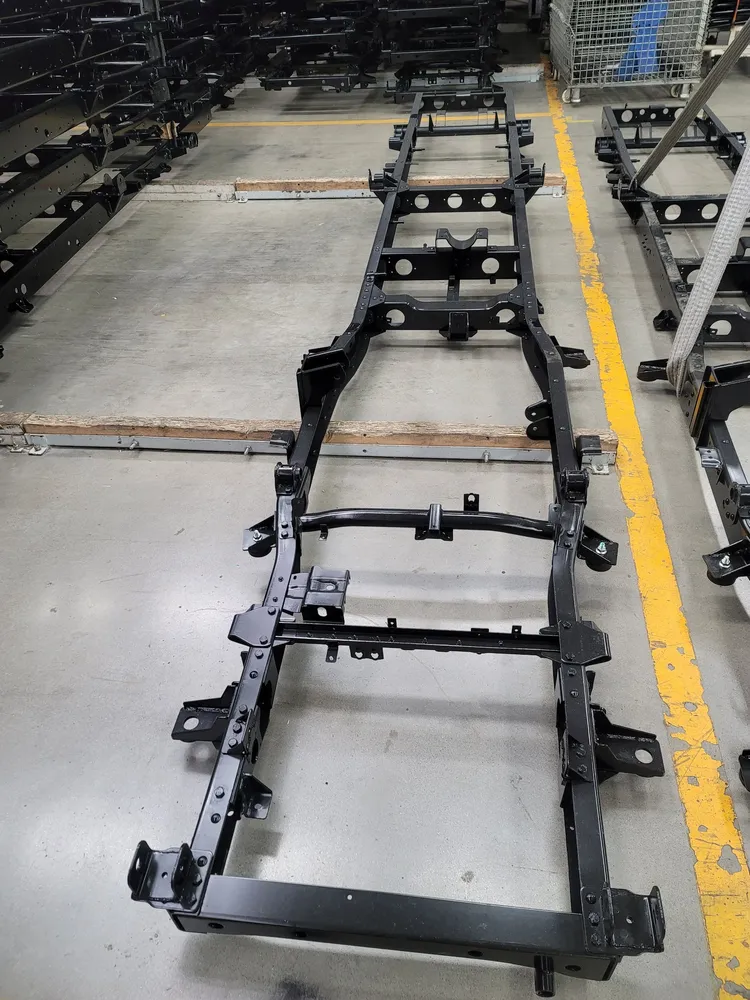
Let’s be honest—trucks have a weight problem. I mean, they always have. But in the last decade or so, the industry has gotten… well, obsessed with shedding pounds. Not because of vanity, obviously. It’s about efficiency. It’s about payload. It’s about fuel costs that make your eyes water. And honestly? It’s about the planet, too. Modern truck manufacturing is in the middle of a quiet revolution—one where steel isn’t always king, and aluminum, carbon fiber, and even foam are stepping into the spotlight.
Here’s the deal: every pound you shave off a truck means you can haul more, burn less fuel, and reduce wear on brakes and tires. It’s a domino effect of goodness. But swapping materials isn’t as simple as just picking something lighter. You’ve got to balance cost, strength, durability, and repairability. That’s the tricky part. So, let’s dive into what’s actually happening on the factory floor—and on the road.
The Usual Suspects: Steel vs. Aluminum
For decades, steel was the go-to. It’s strong, it’s cheap, and it’s easy to weld. But it’s heavy. Like, really heavy. Enter aluminum—the cool, lightweight cousin. Aluminum is roughly one-third the weight of steel for the same volume. That’s a big deal when you’re building a semi-trailer or a dump truck body.
But here’s the thing—aluminum isn’t as strong as steel. Not initially, anyway. Manufacturers have gotten around this by using thicker gauges or by reinforcing key areas. Some cab-over-engine trucks now use aluminum for the entire cab structure. It saves hundreds of pounds. And for fleets running long-haul routes, that translates into real money saved on diesel.
That said, aluminum has a downside: it’s more expensive upfront. And it can fatigue over time, especially in high-stress areas like suspension mounts. So you’ll often see a hybrid approach—steel frame rails with aluminum body panels. It’s a compromise, but a smart one.
High-Strength Steel: The Middle Ground
Wait—before you write off steel entirely, there’s a twist. High-strength steel (HSS) and advanced high-strength steel (AHSS) are making a comeback. These alloys let manufacturers use thinner sheets without sacrificing strength. So you get the weight savings without the premium price of aluminum. It’s not as dramatic a weight drop, but it’s cost-effective. Many modern pickup trucks use AHSS in the cab and bed. It’s a quiet win.
Carbon Fiber: The Supercar Material Goes Trucking
Now we’re talking about the exotic stuff. Carbon fiber reinforced polymer (CFRP) is incredibly strong and incredibly light—like, 50% lighter than aluminum. But it’s also incredibly expensive. For years, it was reserved for Formula 1 cars and luxury sports cars. But truck makers are starting to experiment with it.
Why? Because in certain applications, the weight savings are worth the cost. Think about heavy-duty truck hoods, fenders, or even entire cab structures for specialty vehicles. Some electric truck startups are using carbon fiber to offset the weight of massive battery packs. It’s a niche, sure, but it’s growing.
There’s a catch though—carbon fiber is a pain to repair. You can’t just weld it. If you crack a carbon fiber panel, you often have to replace the whole thing. That scares fleet managers. But as manufacturing processes improve and costs come down, expect to see more of it. Maybe not on your average work truck, but definitely on high-end rigs.
Plastics and Composites: The Unsung Heroes
Let’s not forget about good old-fashioned plastic. Well, not plastic—engineering composites. Things like sheet molding compound (SMC) and glass-fiber reinforced polymers. These materials are everywhere in modern trucks: bumpers, grilles, interior panels, even some structural components.
They’re light, they don’t rust, and they can be molded into complex shapes. That last part is huge for aerodynamics. A smooth, composite underbody panel can reduce drag significantly. And less drag means better fuel economy. It’s a double win—lighter weight and better airflow.
But composites have their quirks. They can be brittle in cold weather. They don’t always bond well with metal frames. And if you’re trying to recycle a truck at the end of its life, composites are a headache. Still, for non-structural parts, they’re a no-brainer.
Magnesium and Other Exotics
Here’s a fun fact: magnesium is even lighter than aluminum. About 33% lighter, actually. So why isn’t every truck made of it? Well, magnesium is expensive, it’s difficult to machine, and it can be flammable under the wrong conditions. But for small, high-value parts—like transmission housings or steering wheel frames—it’s starting to appear. It’s a niche material, but it’s worth watching.
And then there’s titanium. Stronger than steel, lighter than steel, but… incredibly expensive. You’ll find it in some exhaust systems and high-performance suspension components. But for mass-market trucks? Not yet. Maybe in a decade or two, if costs drop.
Real-World Impact: What the Numbers Say
Okay, let’s get concrete. A typical Class 8 semi-truck weighs around 35,000 pounds empty. By using lightweight materials, manufacturers have shaved off 2,000 to 3,000 pounds in the last 15 years. That might not sound like much, but it means you can haul an extra ton of cargo per trip. Over a year, that’s huge.
Here’s a quick breakdown of weight savings by component:
| Component | Traditional Material | Lightweight Alternative | Weight Savings (approx.) |
|---|---|---|---|
| Cab body | Steel | Aluminum | 30-40% |
| Hood | Steel | Carbon fiber | 50-60% |
| Bumper | Steel | Composite | 40-50% |
| Frame rails | Steel | AHSS | 15-20% |
| Wheels | Steel | Aluminum alloy | 25-35% |
Those numbers add up. And they’re not just theoretical—fleets are reporting 5-10% fuel savings from weight reduction alone. That’s thousands of dollars per truck per year.
The Pain Points: Cost, Repair, and Recycling
Alright, let’s not sugarcoat it. Lightweight materials come with headaches. The biggest one is cost. A carbon fiber hood might cost three times as much as a steel one. For a fleet operating on thin margins, that’s a tough sell. Sure, you save fuel over time, but the upfront investment stings.
Then there’s repair. Aluminum is harder to weld than steel—it requires special techniques and equipment. Composites often can’t be repaired at all; you just replace them. That means higher insurance costs and longer downtime. And for independent owner-operators, that’s a real pain.
Recycling is another issue. Steel is endlessly recyclable. Aluminum is too, but it’s energy-intensive. Composites and carbon fiber? They’re a nightmare. Most end up in landfills. That’s a problem for the green image that lightweight materials are supposed to support. The industry is working on it—there are new recycling methods for carbon fiber—but it’s not there yet.
What’s Next? Trends to Watch
The future of lightweight truck manufacturing is… well, it’s a mix. I don’t see a single material taking over. Instead, we’re moving toward multi-material designs. Think of a truck as a puzzle: steel where you need strength, aluminum where you need lightness, composites for aero, and maybe a dash of carbon fiber for the showpiece parts.
One trend I’m excited about is additive manufacturing—3D printing with metal or composites. It allows for complex, optimized shapes that save weight without sacrificing strength. Some companies are already printing brackets and small structural parts. It’s slow and expensive now, but it’s coming.
Another is bio-based composites. Hemp fibers, flax, even bamboo—mixed with resin to create lightweight panels. They’re not strong enough for structural use yet, but for interior trim and underbody covers? Totally viable. And they’re renewable.
Final Thoughts: The Weight of the Future
Look, lightweight materials aren’t a magic bullet. They’re a trade-off. You pay more upfront, you deal with trickier repairs, and you worry about recyclability. But the benefits—fuel savings, payload capacity, reduced emissions—are too big to ignore. The trucking industry is slowly, surely, getting lighter. Not because it’s trendy, but because it makes economic sense.
And maybe that’s the real story here. It’s not about flashy carbon fiber or exotic alloys. It’s about a thousand small decisions—a lighter hood here, a composite bumper there—that add up to a smarter, more efficient machine. The trucks rolling off assembly lines today are lighter than ever. And they’re only going to get lighter. That’s progress. One pound at a time.



More Stories
Alternative Fuel Conversions for Vocational Trucks: A Practical Guide for Fleets That Work for a Living
Mobile Repair Services for Emergency Breakdowns on Highways
Building a Professional Mobile Workshop in a Service Truck Body