
Let’s be honest: the choice between buying a car and leasing one feels like more than just math. It’s a tug-of-war between your wallet and your gut. Between the dream of something shiny and new, and the comfort of something truly, well, yours.
Here’s the deal. We’re going to unpack both sides of this—the cold, hard economics and the warm, fuzzy (or sometimes anxious) psychology behind them. Because the right answer isn’t just in a spreadsheet. It’s often in your head.
The Ownership Mindset: Building Equity and Attachment
Buying a car, especially with the intent to drive it for a decade or more, is a commitment. It’s the automotive equivalent of a marriage. There’s a deep-seated sense of pride and autonomy that comes with ownership. You know, that feeling when you finally pay off the loan and the title is in your hand? It’s tangible. It’s an asset, however depreciating.
Psychologically, this taps into what behavioral economists call the endowment effect. We place a higher value on things simply because we own them. That dent in the door from a rogue shopping cart? It’s your dent. The road trips, the daily commutes—they’re woven into the car’s history, and yours. This attachment creates a powerful sense of stability and identity.
But—and it’s a big but—this mindset also requires a tolerance for the long game. You have to be okay with the middle-aged years of the vehicle, where the new-car smell is a distant memory and repair bills start to peek around the corner. The psychology here is about risk tolerance and delayed gratification. You endure some costs and hassles later for the benefit of no payment now, and, honestly, for the peace of mind that comes with a known entity.
The Leasing Psychology: The Perpetual Novelty and the “Always New” Trap
Leasing, on the other hand, is like a long-term rental for your emotions as much as your transportation. It caters perfectly to our modern appetite for novelty and our aversion to long-term risk and hassle. Every two or three years, you get a reset. New technology, fresh warranty, latest safety features. It’s a constant upgrade cycle that’s incredibly seductive.
This taps into a different set of psychological drivers: the fear of missing out (FOMO) and loss aversion. With a lease, you’re effectively paying to avoid the negative experiences of ownership—the major repair, the steep depreciation hit, the feeling of being stuck with an outdated model. You’re buying predictability and modern convenience.
Yet, that perpetual newness can be a trap. It creates a cycle that’s hard to break. You never build equity. You’re always making a payment. It can feel like you’re paying for a car forever without ever owning a thing. For some, that’s a source of subtle financial anxiety, a background hum of “is this really the best move?”
The Economic Showdown: Crunching the Long-Term Numbers
Okay, let’s talk money. Because the psychology only makes sense with the numbers in front of us.
| Factor | Long-Term Ownership | Leasing |
| Monthly Outlay | Higher payments initially, then drops to $0 after loan term. | Consistently lower payments, but they never end. |
| Long-Term Cost | Potentially lower over 10+ years, assuming you maintain and drive the car long after it’s paid off. | Potentially higher over the same period, as you cycle into new leases every 3 years. |
| Equity & Asset | You own a depreciating asset. Can sell or trade-in. | No equity. You return the car and start over. |
| Repairs & Maintenance | Your responsibility after warranty. Costs rise with age. | Usually covered under warranty. Predictable cost. |
| Flexibility | Low. You’re committed to the vehicle. | High. Easy to switch models/brands frequently. |
| Mileage & Wear | No restrictions. Drive as much as you want. | Strict limits. Excess fees can be punitive. |
The real economic win for ownership is in the “payment-free” years. After a typical 5- or 6-year loan, you could have 4 to 6 years with no monthly car payment. That money can be invested, saved, or used elsewhere. Sure, you’ll have maintenance, but it’s rarely as much as a lease payment.
Leasing’s economic argument is about cash flow and access. It lets you drive a more expensive car for a lower monthly outlay. For business owners or those who can write off the expense, the calculus changes significantly. But for the average person, it’s often a more expensive way to have a car over a lifetime.
Modern Trends and The EV Wildcard
Current trends are messing with the old models, honestly. The rapid evolution of electric vehicles (EVs) adds a huge twist. Technology is improving so fast that a 3-year-old EV can feel obsolete. That’s a powerful argument for leasing an EV—you avoid being stuck with outdated battery tech.
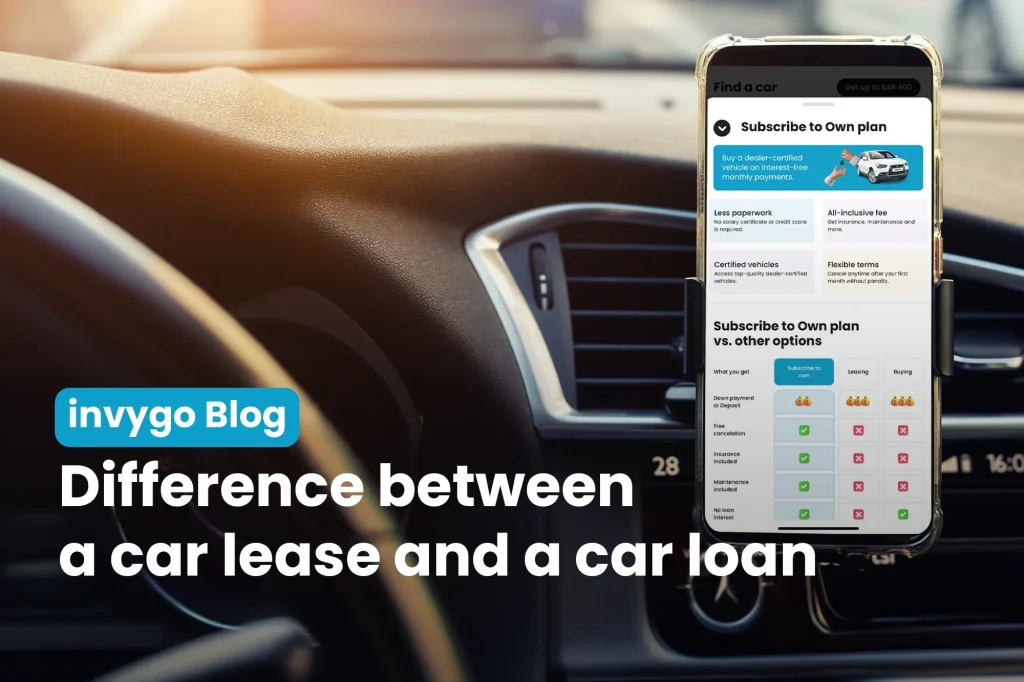
And then there’s the subscription model creeping in. It’s like leasing-plus, bundling insurance and maintenance. It speaks directly to our desire for total, hassle-free convenience. But you pay a premium for that simplicity, you know?
So, Which One Is For You? A Quick Diagnostic
Ask yourself these questions. They cut through the noise.
- Do you value predictability over potential savings? Lease.
- Does the idea of no car payment for years excite you more than a new model? Buy.
- Are you hard on cars or do you drive 20,000+ miles a year? Seriously, consider buying.
- Does driving the latest tech and style give you genuine joy? Lease might be worth the premium.
- Are you the type to maintain things meticulously and run them into the ground? You’re the perfect candidate for long-term ownership.
The Final Verdict: It’s About Your Personal Algorithm
In the end, the “better” option is the one that aligns with your personal algorithm—the unique mix of your finances, your personality, and your life stage. The frugal, attachment-seeking planner will likely find solace in ownership. The tech-loving, hassle-averse adventurer might thrive on leasing.
Maybe the most profound insight is this: the choice reflects your relationship with change, risk, and possession itself. Are you a builder, seeking to own and maintain? Or are you an experiencer, seeking to access and refresh? There’s no universally right answer. Only the one that lets you drive off the lot—or return the keys—with the fewest regrets.


More Stories
The Future of In-Car Commerce and Subscription-Based Features
The Hidden Language of Your Car: The Psychology of Color and How We Personalize
Car Camping and Mobile Office Setups: Your Guide to Working from the Wild